BUSHCRAFT SPAIN MATERIAL CARE GUIDE
CARE
Good gear is built to be used.
Natural materials change with time, weather and use. Understanding how each one behaves is the best way to keep your equipment performing for many years.
MAINTAIN IT. REPAIR IT. KEEP USING IT.
THE FIRST RULE
DIFFERENT MATERIALS NEED DIFFERENT CARE.
Oilskin relies on an oil/wax finish. Our treated cotton shelter canvas uses a breathable factory-applied treatment. A care product suitable for one is not automatically suitable for the other.
OIL / WAX FINISHED COTTON
OILSKIN CARE
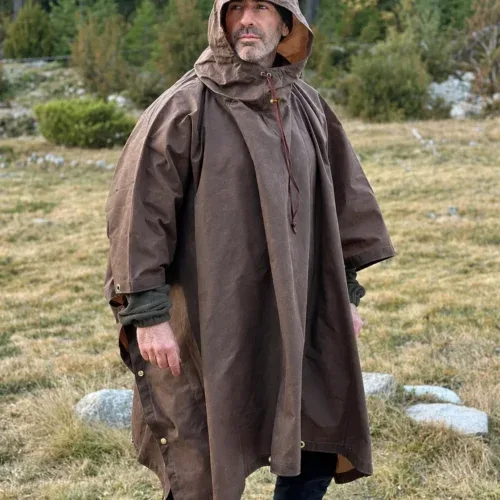
Oilskin is cotton protected with an oil/wax finish for rain and hard outdoor use. Friction and time may create lighter or drier areas. This is normal ageing and the finish can be restored when performance indicates it.
BRUSH & CLEAN
Brush first. Cold water when needed.
- Let mud dry, then use a soft or medium natural-bristle brush or dry cloth.
- For persistent dirt, wipe gently with cold water and a clean sponge.
- Rinse heavily soiled gear carefully when necessary. Do not scrub aggressively.
Machine washing, hot water, detergent, bleach, stain remover, fabric softener, dry cleaning or a tumble dryer.
DRY NATURALLY
- Open or unfold the product fully.
- Let air circulate around folds, seams and reinforced areas.
- Keep wet Oilskin away from fires, radiators, heaters and prolonged intense heat.
NEVER STORE OILSKIN WET OR DAMP.
REPROOF WHEN NEEDED
Condition matters more than a fixed calendar. Look for reduced water beading, pale dry areas or high-friction zones absorbing moisture faster.
- Clean and dry completely.
- Apply a small amount of approved reproofing wax evenly.
- Pay attention to seams and wear points.
- Use only gentle warmth to distribute the finish.
- Remove excess wax and let the product settle.
STORE DRY & BREATHABLE
- Remove dirt and dry completely.
- Fold loosely or hang where appropriate.
- Store somewhere cool, dry and reasonably ventilated.
- Avoid damp rooms, sealed plastic and prolonged compression while damp.
Folds, colour variation and patina are normal.
MILDEW
Mildew is easier to prevent than remove. If it appears, dry the item, work outdoors and gently brush away loose surface growth.
- Use only a cleaning method approved for Oilskin.
- Avoid bleach, aggressive detergent and untested household chemicals.
- Dry fully and inspect whether the finish needs restoring.
HEAVY-DUTY TREATED COTTON CANVAS
TREATED CANVAS CARE
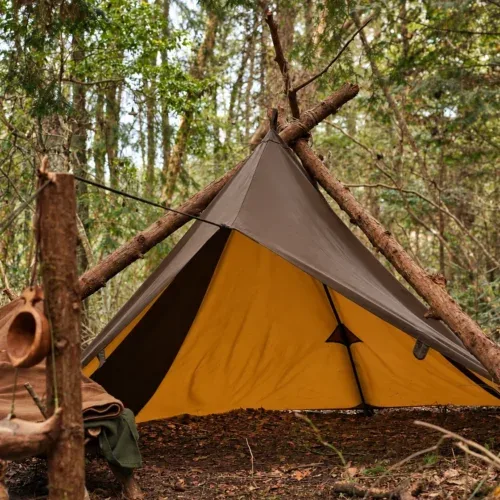
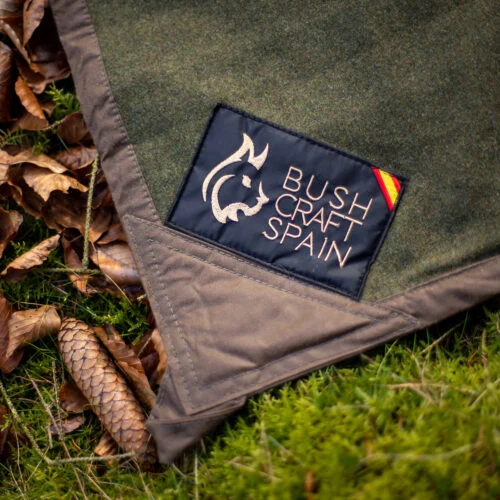
Our 100% cotton shelter canvas is approximately 340 g/m², breathable and factory-treated for resistance to water, dirt and mildew. It is designed for demanding outdoor shelter use and does not rely on a heavy wax coating.
DO NOT WAX TREATED CANVAS UNLESS THE TREATMENT HAS BEEN SPECIFICALLY APPROVED FOR THIS FABRIC.
Cotton canvas handles rain extremely well in use. The real danger is moisture trapped in folded fabric. Mildew-resistant does not mean mildew-proof.
BRUSH FIRST
- Let mud dry and shake off loose debris.
- Brush gently with a soft or medium brush.
- Use clean water, a sponge or soft cloth only where needed.
- Avoid aggressive scrubbing and unnecessary full soaking.
Avoid detergent, bleach, chlorine, degreasers, stain removers, pressure washing and machine washing. Deeper cleaning requires a specialist cleaner compatible with impregnated breathable cotton canvas.
DRY COMPLETELY
- Pitch or unfold as soon as practical and dry both sides with good airflow.
- Check corners, hems, seams, reinforcement patches, folds, webbing and attachment areas.
- Thick areas can remain damp after the main surface feels dry.
PACKED IT WET? UNPACK AND DRY IT AT THE FIRST SAFE OPPORTUNITY.
STORE FOR THE NEXT TRIP
- Store completely dry and clean in a cool, ventilated place.
- Avoid sealed plastic, damp concrete and consistently humid environments.
- For seasonal storage, inspect folds, seams, corners and reinforcement areas periodically.
KNOW WHEN TO REPROOF
Reproof only when performance has genuinely deteriorated, not automatically every year.
- Rain sheds less effectively than before.
- The outer surface wets out significantly faster.
- High-use areas absorb moisture disproportionately.
- Cleaning, UV and years of use have reduced repellency.
Darkening when wet does not by itself mean the fabric has failed.
USE THE RIGHT TREATMENT
DO NOT USE OILSKIN WAX ON TREATED TENT CANVAS.
Avoid beeswax, paraffin, leather dressing, heavy oils, generic silicone spray and improvised mixtures. They may alter breathability, change colour, attract dirt or interfere with the original finish.
When necessary, use a specialist breathable impregnation treatment designed for treated cotton tent fabric and follow its instructions.
MILDEW PREVENTION
- Store dry and remove leaves, mud and vegetation.
- If growth appears, dry the shelter and brush loose material outdoors.
- Use only a specialist method compatible with treated cotton.
- Avoid chlorine bleach and inspect water repellency afterwards.
MERINO, MOHAIR & OTHER WOOL MATERIALS
WOOL CARE
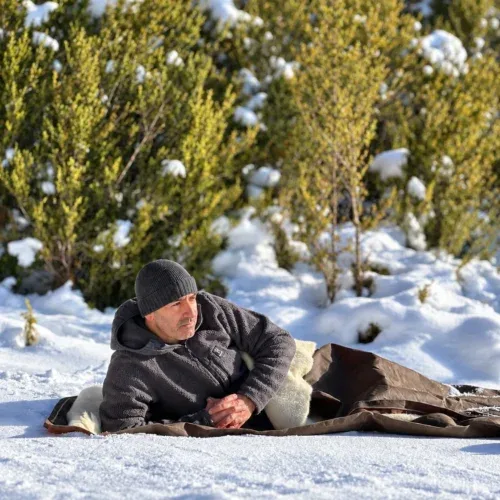
Different wool products can respond very differently. Some are washable, some need hand washing and others require professional cleaning.
THE PRODUCT CARE LABEL ALWAYS TAKES PRIORITY.
Wool naturally manages moisture and odour. It often does not need washing after every use.
AIR BEFORE YOU WASH
- Shake loose debris away.
- Air thoroughly so trapped moisture can escape.
- Use a soft garment brush where appropriate.
SPOT CLEAN
- Blot spills promptly; do not scrub.
- Use a clean cloth and the water temperature specified on the care label.
- Use wool-compatible detergent only when needed.
Agitation and rubbing can contribute to felting.
FOLLOW THE LABEL
Where hand washing is permitted, use approximately 30°C or cooler water as instructed, mild wool detergent and minimal agitation.
- Do not twist or wring.
- Avoid bleach, aggressive detergent, softener and high heat unless specifically approved.
DRY GENTLY
- Reshape carefully and remove water without wringing.
- Support heavy wet wool so it cannot stretch.
- Flat dry where appropriate, away from intense heat and prolonged strong sunlight.
STORE CLEAN & DRY
- Remove food and organic residue before seasonal storage.
- Fold heavy blankets rather than hanging them.
- Inspect and air periodically.
- Cedar may deter moths but does not guarantee protection.
NATURAL OUTDOOR LEATHER
LEATHER CARE
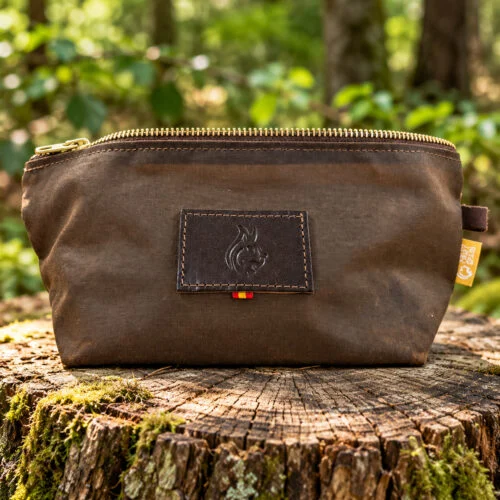
Natural leather is designed to change. It can darken, soften, crease, show grain variation and develop patina. Deep cracking, structural failure, delamination or broken stitching are damage, not patina.
REMOVE DIRT FIRST
- Let mud dry and brush it away.
- Wipe with a clean dry cloth.
- For persistent dirt, use a slightly damp cloth without soaking.
- Check stitching, folds, seams, rivets and hardware.
Dirt trapped in flex points can accelerate abrasion.
DRY SLOWLY
- Remove surface water.
- Reshape if necessary.
- Let the item dry naturally.
Never speed-dry leather beside a fire, stove, radiator, heater or high-heat hair dryer. Excess heat can remove natural oils and leave it hard or brittle.
CONDITION, DON'T SATURATE
Condition when leather feels noticeably dry, unusually stiff, has been soaked or begins losing flexibility.
- Use a product compatible with the specific finish.
- Test on a discreet area: conditioners can darken leather.
- Apply lightly and evenly.
Original Bushcraft Wax is suitable for compatible smooth and waxed leather. Test first, and do not use it on suede or nubuck.
Over-conditioning can make leather greasy, overly soft and prone to collecting dirt.
ADD ORIGINAL BUSHCRAFT WAX →STORE IT NATURALLY
- Store clean, completely dry and cool.
- Keep away from prolonged direct sunlight.
- Allow some air circulation.
- Avoid sealed plastic and severe folds that create permanent deformation.
MULTIPLE MATERIALS
MIXED-MATERIAL PRODUCTS
Oilskin, treated canvas, wool and leather are often combined in one piece of equipment. Treat each component according to its own requirements and avoid carrying one treatment across onto another material.
PRODUCT-SPECIFIC INSTRUCTIONS ALWAYS TAKE PRIORITY OVER THIS GENERAL GUIDE.
FIELD KNOWLEDGE
KNOW YOUR MATERIAL
Is Oilskin the same as treated canvas?
No. Oilskin uses an oil/wax finish. Treated shelter canvas uses a breathable factory-applied treatment and should not automatically be waxed.
Can treated canvas get wet?
Yes. It is made for rain exposure. The critical requirement is drying it completely before storage.
Why can cotton canvas darken when wet?
Cotton absorbs a small amount of moisture and its fibres swell. This natural behaviour contributes to how dense cotton canvas responds to rain.
Is mildew-resistant the same as mildew-proof?
No. The treatment reduces susceptibility, but prolonged damp storage can still cause growth.
How often should I rewax Oilskin?
When performance and condition indicate it, not according to a rigid calendar.
How often should I wash wool?
As little as reasonably necessary. Airing, brushing and local cleaning are often enough.
Should I condition leather regularly?
Only when it needs it. Over-conditioning can be as undesirable as neglect.
THE BUSHCRAFT SPAIN APPROACH
BUILT TO LAST
Good gear doesn't need to stay new. It needs to keep working.
Canvas softens. Oilskin develops marks and character. Leather gains patina. Wool carries years of warmth. Look after your equipment and let it age honestly.
CLEAN IT. DRY IT. REPAIR IT. REPROOF IT. KEEP USING IT.CARE FOR YOUR GEAR
THE RIGHT PRODUCT FOR THE RIGHT MATERIAL.
Original Bushcraft Wax is suitable for compatible Bushcraft Spain Oilskin and smooth leather products. Always test leather first because the finish may darken. Do not use it on treated shelter canvas, suede or nubuck.